Atlanta has always been a city of reinvention.
Long before it rebuilt itself after the Civil War, promoted itself as the “Gate City of the South,” or transformed its skyline for the twentieth century, the young settlement was already trying on new identities.
In fewer than ten years, the place that became Atlanta was known as Thrasherville, Terminus, Marthasville and Atlanta. The progression was not quite as orderly as the familiar list makes it sound. Thrasherville and Terminus were unofficial names that sometimes overlapped. Marthasville was the first name written into a municipal charter. Atlanta became the legal name in 1845 and received a new city charter two years later.
Still, those four names tell an extraordinary origin story. They trace Atlanta’s development from a railroad construction camp to a planned terminus, from a tiny, incorporated town to an ambitious transportation center.
And through every change, the railroad remained at the heart of the story.
Atlanta was never legally incorporated as either Thrasherville or Terminus. Both were genuine names used for the developing settlement. Marthasville was incorporated in 1843; the Georgia legislature changed its name to Atlanta in 1845, and Atlanta was incorporated as a city in 1847.
Most American towns began around a courthouse, a river landing, a mill or an established crossroads. Atlanta began because the state of Georgia decided where a railroad should end.
In December 1836, the Georgia General Assembly authorized construction of the state-owned Western & Atlantic Railroad. The proposed line would stretch northward to Chattanooga, opening a route toward the Tennessee and Ohio river valleys and connecting Georgia’s developing railroads with markets beyond the Appalachian Mountains.
During 1837, engineers surveyed the route and selected a point on a ridge approximately seven miles east of the Chattahoochee River as the railroad’s southern terminus. A stake driven into the ground marked the proposed endpoint—or, depending upon one’s perspective, the beginning—of the Western & Atlantic.
There was no city waiting there. There was not even a town. The railroad came first, and the community followed.
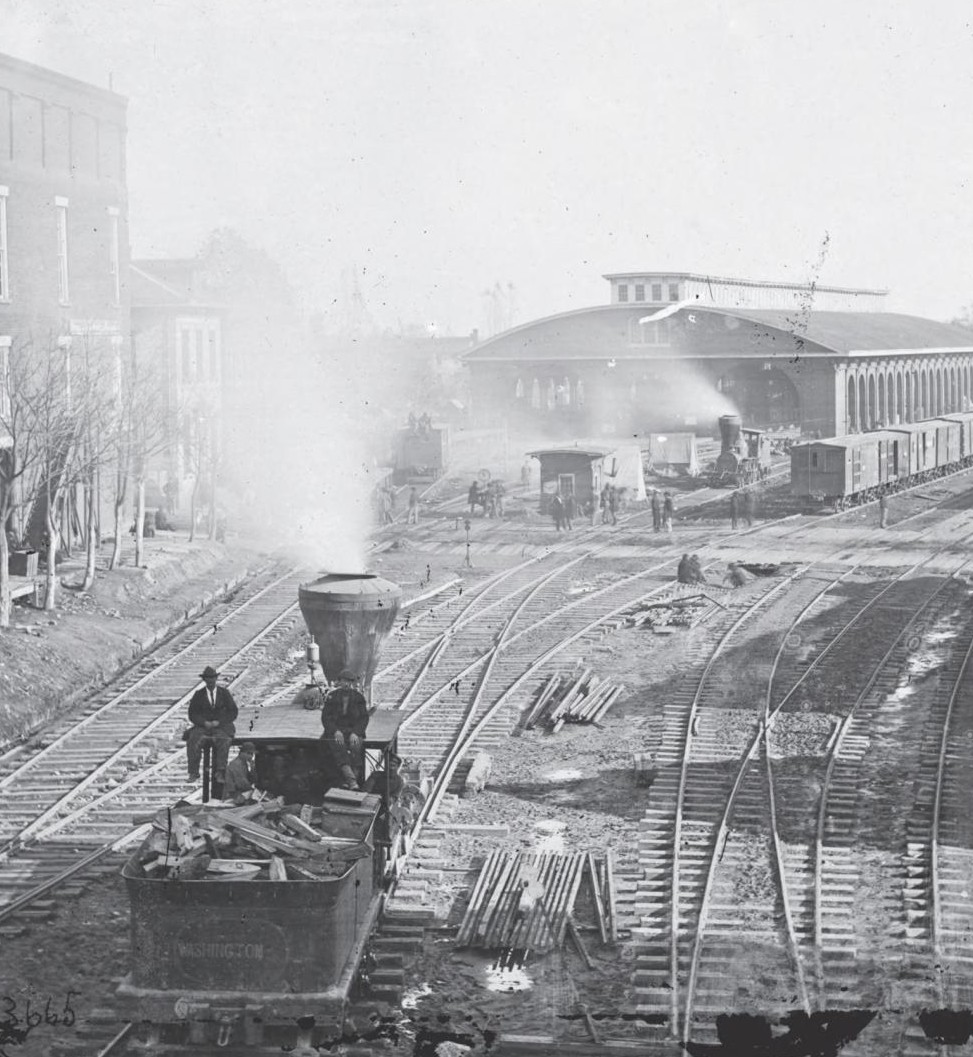
The first proposed terminal stood near what would later become the area between Forsyth and Magnolia streets. In 1842 the final terminal site was moved southeast into Land Lot 77. Landowner Samuel Mitchell conveyed property to the state for railroad tracks, buildings and a depot square. That location, known as State Square, became the center around which downtown Atlanta developed.
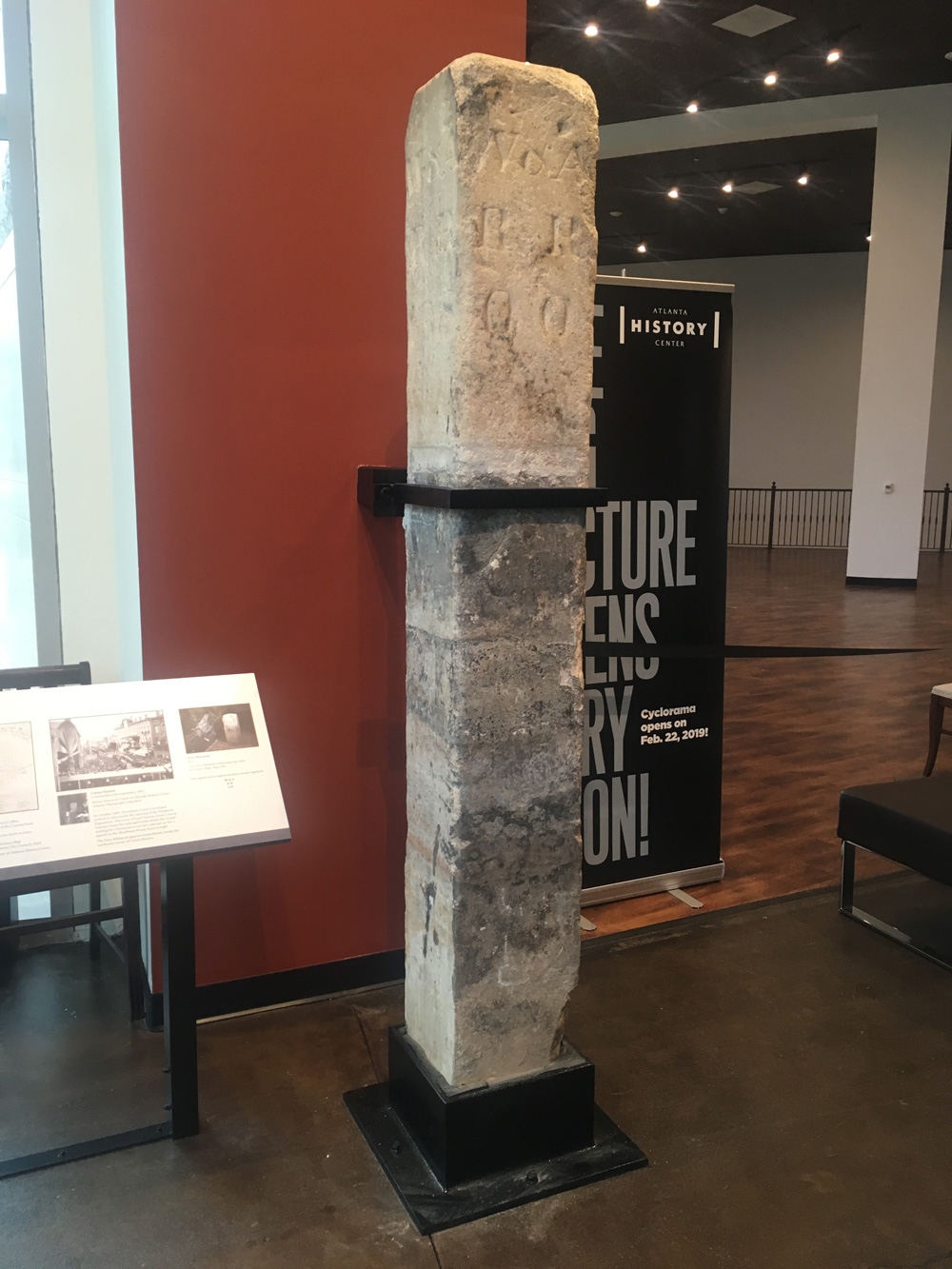
The stone Zero Mile Post associated with the site was installed around 1850. When Atlanta received its city charter in 1847, the railroad terminus—not a courthouse or public square—was designated as the city’s geographic center.
Before the town was formally laid out, railroad construction had already brought workers and activity into the area.
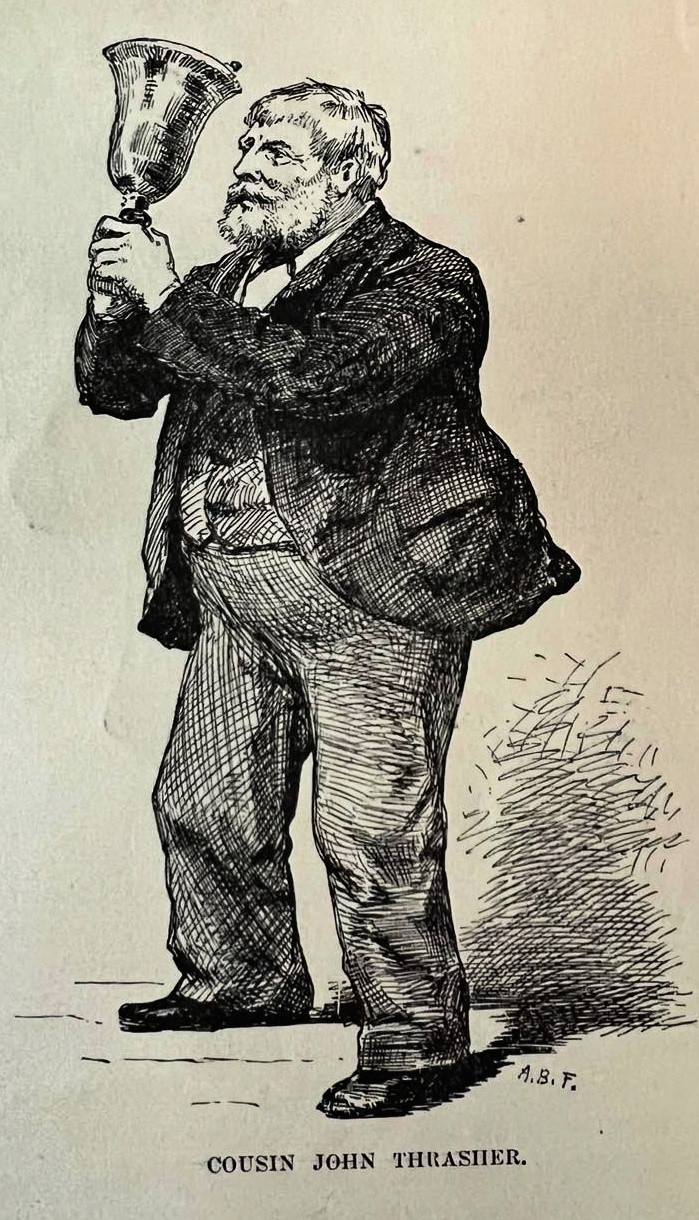
In 1839, contractor John James “Cousin John” Thrasher arrived to build a large embankment for the Monroe Railroad. The Monroe was advancing northward from Macon and hoped eventually to connect with the Western & Atlantic. To complete his contract, Thrasher brought laborers into the largely wooded area, erected rough shelters for them and opened a general store.
The collection of cabins, workers and commercial activity became known as Thrasherville.
It was never an incorporated town. It did not possess a charter, elected officials or legally defined boundaries. Yet the name was not a modern invention or merely a family legend.
Atlanta historian Franklin Garrett reproduced an 1841 DeKalb County grand-jury presentment complaining about the condition of the road “leading by Thrasherville” between White Hall and Montgomery’s Ferry. That contemporary reference demonstrates that people in the surrounding region were using the name while the future Atlanta was still taking shape.
The Georgia Historical Society marker devoted to Thrasherville calls Thrasher’s community the place “where Atlanta began.” It credits the settlement with Atlanta’s first store and associates it with some of the community’s earliest religious, labor and social activity. The marker can be found in front of the former Federal Reserve Bank which is now the location for the Georgia State Bar at 104 Marietta Street NE.
Calling the place Thrasherville, therefore, is historically defensible—provided it is identified as an unofficial name for Thrasher’s railroad settlement, rather than as Atlanta’s first legal municipal name.
At roughly the same time, the developing settlement was also called Terminus.
The word simply meant the end of the line. It described the function the location was intended to perform for the Western & Atlantic Railroad.
Like Thrasherville, Terminus was not an incorporated municipal name. It was an informal but logical way of identifying the spot marked by railroad surveyors. Maps, travelers, railroad workers and surrounding residents needed some way to refer to the place, and “the terminus” gradually became “Terminus.”
The two names should not necessarily be imagined as clean, consecutive chapters—as though every resident stopped saying Thrasherville one morning and began saying Terminus the next. The evidence suggests overlapping usage. Thrasherville referred particularly to the community established around John Thrasher’s workers and store, while Terminus described the larger railroad location and its intended purpose.
Both names grew from the same force: railroad construction.
At that stage, Terminus was more promise than reality. The Western & Atlantic would not be completed all the way to Chattanooga until 1851. Nevertheless, surveyors, contractors, merchants and land speculators understood that several railroads might eventually meet there.
Atlanta existed first as an expectation.
Once the final terminal site had been selected in 1842, Samuel Mitchell’s property was surveyed into streets and town lots. A settlement that expected to attract residents, businesses and connecting railroads needed a proper name.
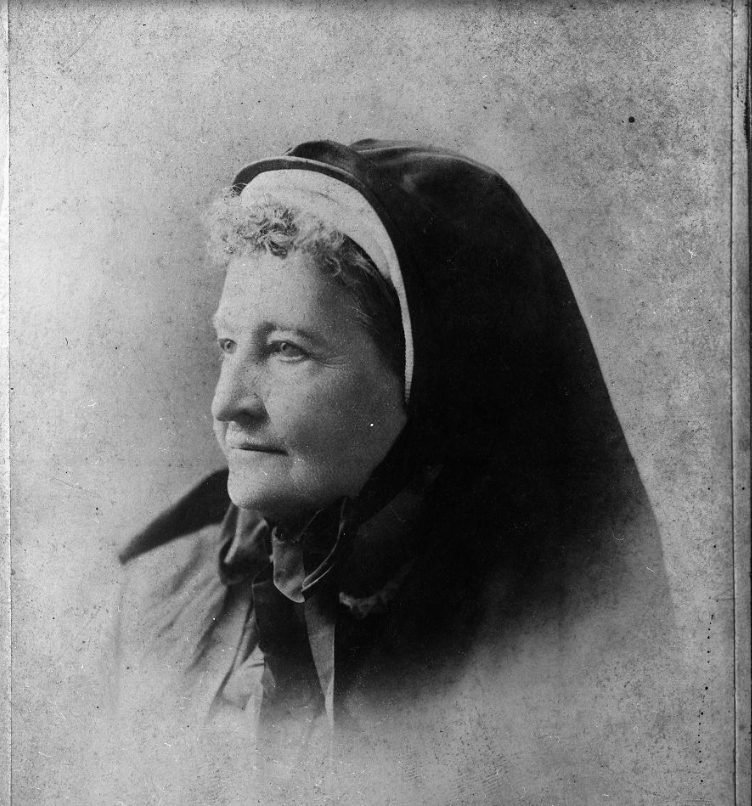
Some reportedly proposed naming the town Lumpkin in honor of former Georgia governor Wilson Lumpkin, an energetic advocate of the Western & Atlantic Railroad. Lumpkin declined the honor. The town was instead named Marthasville for his then young daughter, Martha Lumpkin.
The name received federal recognition when the Marthasville post office was established in December 1842. On December 23, 1843, the Georgia General Assembly incorporated Marthasville as a town.
For the first time, the railroad settlement possessed an official municipal identity.
Marthasville remained small, but the railroad was beginning to fulfill its promise. Merchants, tradesmen, hotelkeepers and land buyers arrived. New buildings appeared near the tracks, although much of the surrounding countryside remained wooded.
Then, in September 1845, the first Georgia Railroad freight and passenger trains reached Marthasville from Augusta. The arrival marked a decisive turning point. The place was no longer simply the proposed end of a state railroad. It was becoming a working railroad junction.
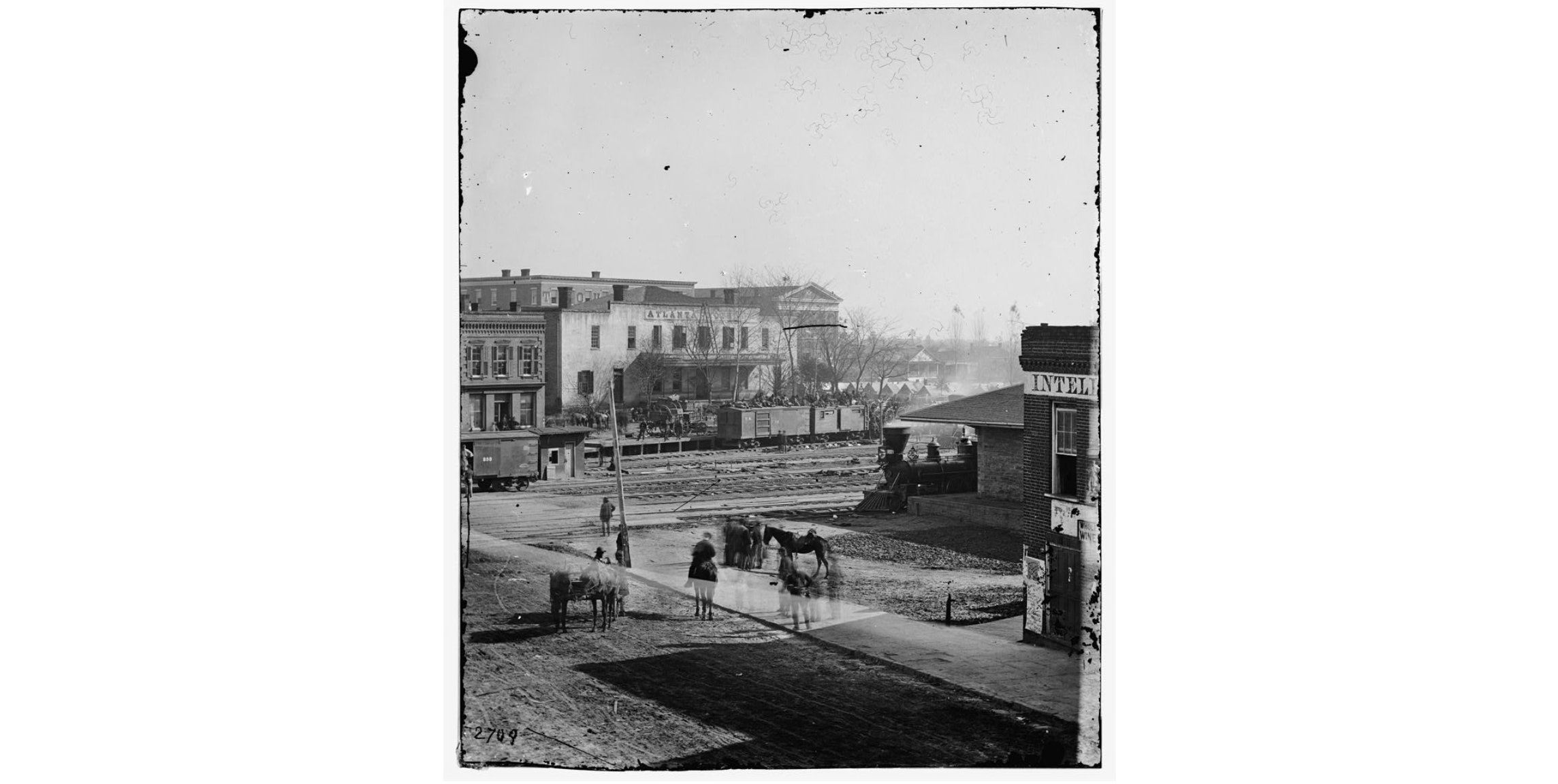
Almost immediately, the town’s name changed again.
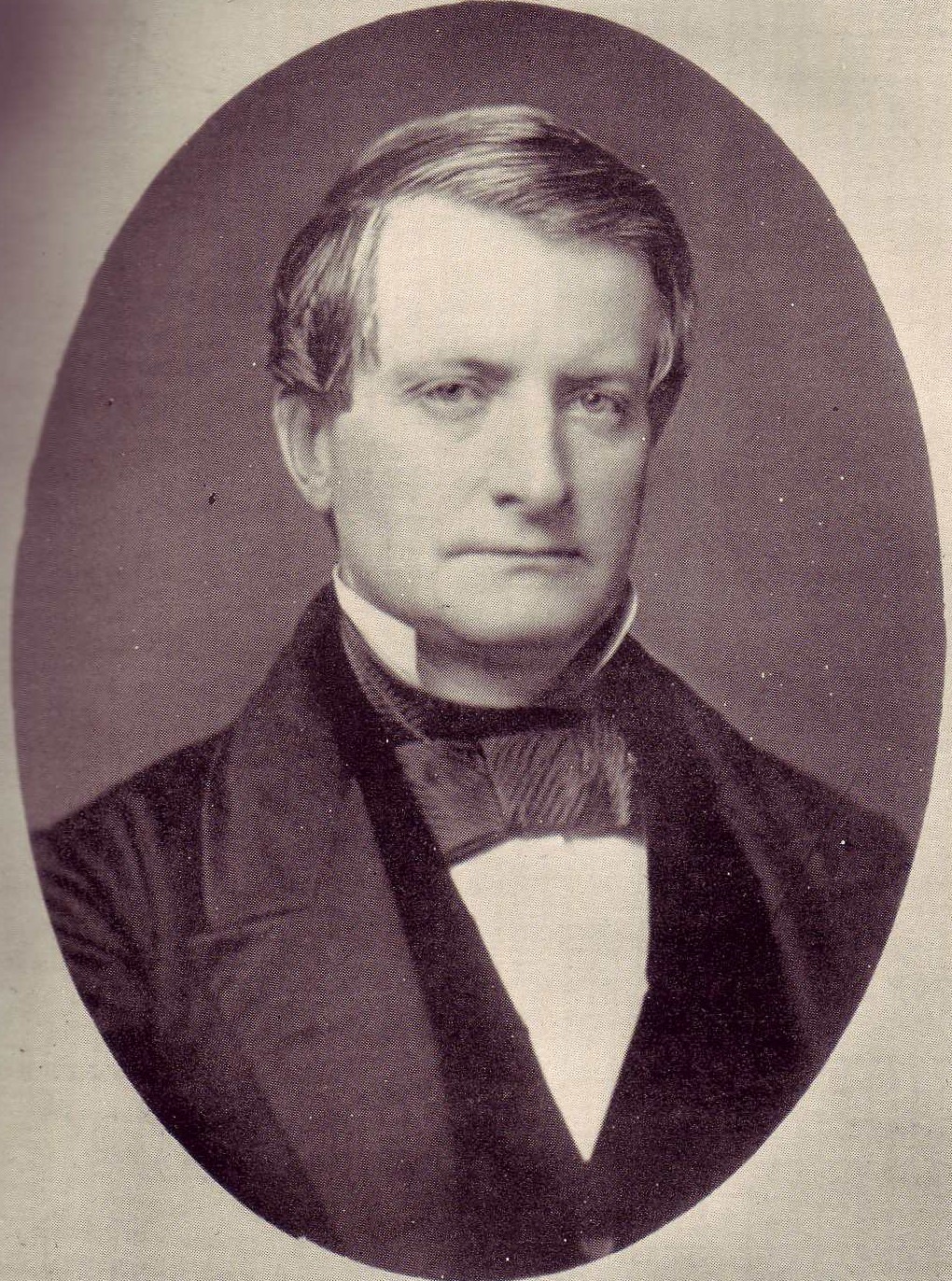
One of the men dissatisfied with “Marthasville” was Richard Peters, superintendent of the Georgia Railroad. The name was lengthy for freight lists, schedules, correspondence and shipping records, and Peters believed the growing junction needed something more distinctive.
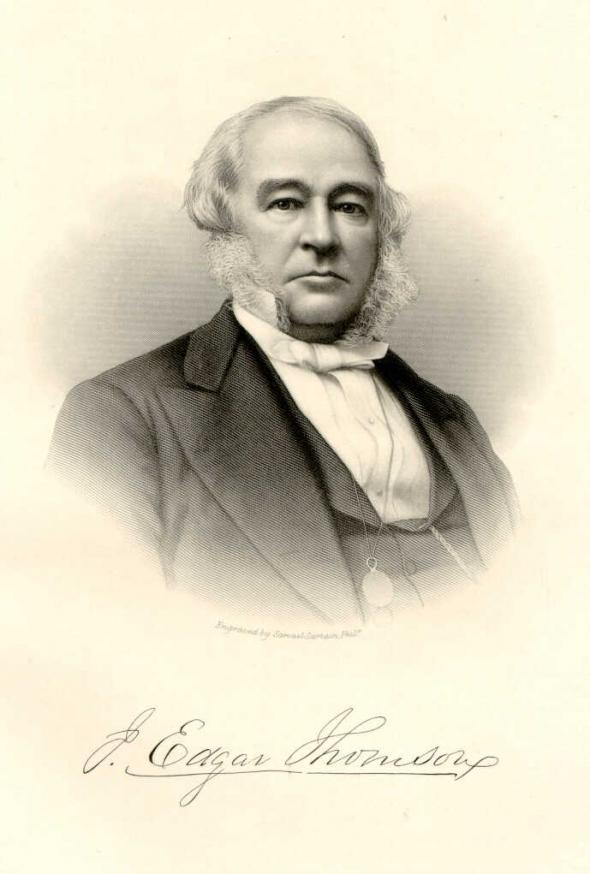
He consulted John Edgar Thomson, chief engineer of the Georgia Railroad. According to Peters’s later account, Thomson proposed a newly coined name based upon the Western & Atlantic Railroad: “Atlantic masculine, Atlanta feminine.”
Peters liked the suggestion and began issuing Georgia Railroad circulars using Atlanta instead of Marthasville. The railroad effectively began rebranding its depot before the legislature changed the name of the town.
Not everyone approved. Some residents objected that railroad officials had no authority to discard the name contained in the town charter. Peters’s answer was that the Georgia Railroad was free to name its own depot. As freight, passengers and correspondence arrived marked “Atlanta,” the new name gained momentum.
The post office briefly reflected the confusion. It changed from Marthasville to Atlanta in October 1845, reverted to Marthasville shortly before the legislative change, and adopted Atlanta permanently in January 1846.
The Georgia General Assembly settled the municipal question on December 26, 1845, approving an act declaring that “the name of Marthasville, in John Edgar Thomson (1808-1874)DeKalb County, shall be changed to that of Atlanta.”
Atlanta was incorporated as a city on December 29, 1847.
A frequently repeated tradition claims the name also honored Martha Lumpkin because her middle name was Atalanta. The stronger historical evidence, however, points to Thomson’s railroad-inspired coinage. The New Georgia Encyclopedia describes the Martha Atalanta explanation as apparently apocryphal.
The name Atlanta captured what the town was becoming.
The Georgia Railroad reached it from Augusta in 1845. The Macon & Western connected it with Macon and routes toward Savannah in 1846. The Western & Atlantic completed its connection toward Chattanooga in 1851. In 1854, the Atlanta & LaGrange Railroad entered from the southwest.
Rail lines were soon radiating outward in several directions.
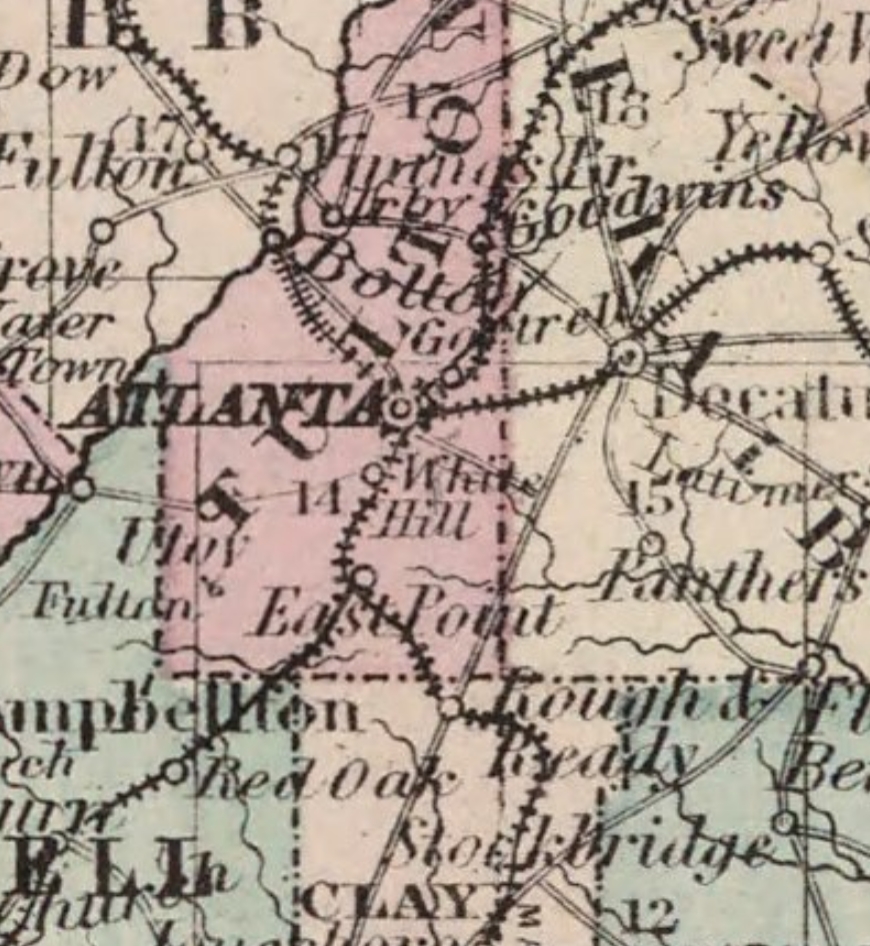
Atlanta had been selected as an endpoint, but its future depended upon becoming a junction. Freight, passengers, mail, livestock, manufactured goods and agricultural products increasingly passed through the young city. Warehouses, hotels, stores, workshops and industries clustered near the tracks.
The city’s unusual downtown street pattern reflected that railroad beginning. Streets and buildings followed property lines, surveys and tracks rather than a single orderly grid. Even Atlanta’s original corporate boundaries were measured outward from the State Depot.
Atlanta did not build the railroad and then decide to make it important. The railroad selected the place, populated it, named it and gave it an economic reason to exist.
Each of Atlanta’s early names describes a different stage in its development.
Thrasherville represents the laborers, cabins, store and human community that appeared around railroad construction.
Terminus describes the function assigned to the location by engineers and state planners.
Marthasville marks the moment when the settlement became an incorporated town with a post office and civic identity.
Atlanta reflects the larger ambitions of railroad promoters who no longer saw the place merely as the end of a line.
The names did not change because the settlement had failed to discover what it wanted to be. They changed because it was growing so quickly that each identity was soon overtaken by the next.
Atlanta began with a stake in the ground, a railroad embankment and a collection of rough workers’ cabins. Within a few years it had become a junction linking several parts of Georgia. Soon it would become one of the most strategically and economically important railroad cities in the South.
The original Western & Atlantic Zero Mile Post is now preserved at the Atlanta History Center. A replica and interpretive markers identify the historic terminal site beneath Central Avenue downtown. It remains a physical reminder that, before Atlanta had streets, skyscrapers or even an official name, it had a point from which the miles were measured.
Atlanta has spent much of its history looking toward what comes next. Perhaps that instinct began when the little railroad settlement changed its name four times before its future had fully arrived.

Leave a Reply